The Ultimate Pacifier Guide: Philips Avent vs. Dr. Brown's vs. NUK vs. BIBS
Posted on January 2, 2026 by The Baby Logger Team
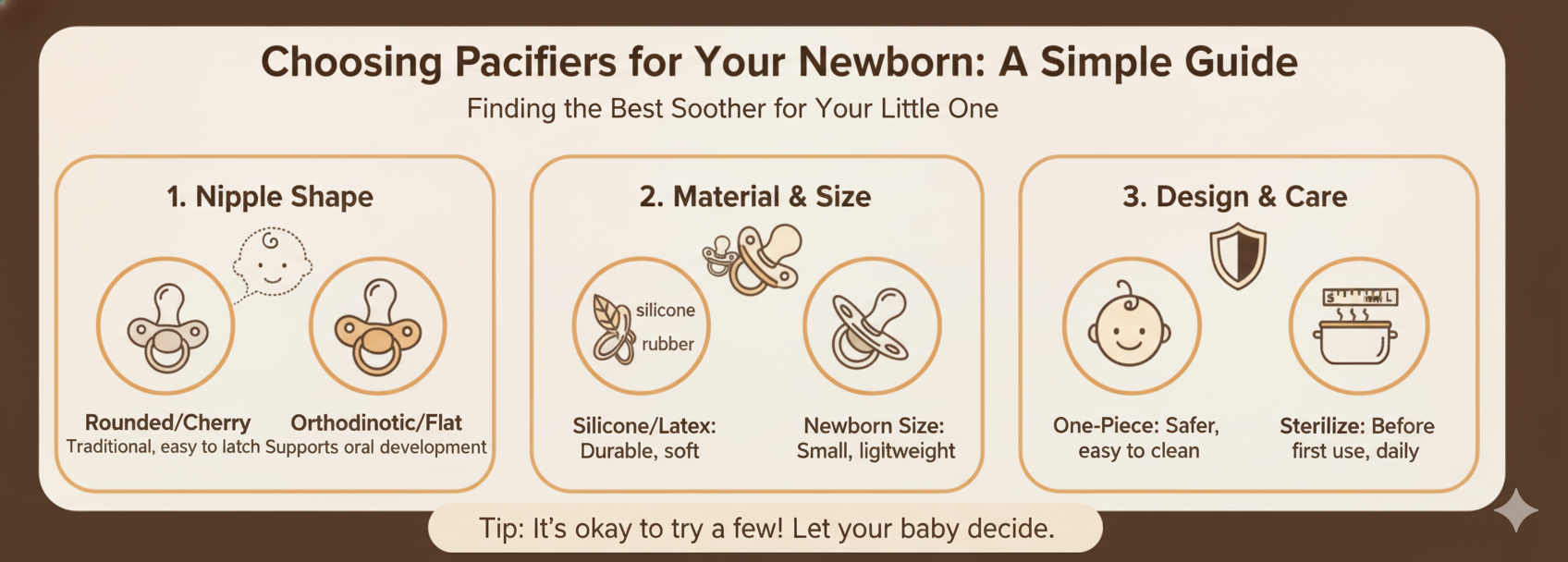
Choosing the right pacifier for your newborn can feel surprisingly high-stakes. With so many shapes, materials, and brands on the shelf, it’s easy to feel lost. Will this one interfere with breastfeeding? Is that one better for their teeth?
The truth is, the "best" pacifier is often the one your baby actually accepts. But understanding the differences can help you make a more informed choice. Let's break down four of the most popular brands: Philips Avent, Dr. Brown's, NUK, and BIBS.
Philips Avent: The Hospital Favorite
Often the first pacifier a baby encounters, the Philips Avent Soothie is a staple in hospitals across the country.
- Nipple Shape: Symmetrical and cylindrical, designed to support the natural development of a baby's palate. The one-piece construction is simple and safe.
- Key Feature: The unique one-piece design is made from a single piece of medical-grade silicone, making it durable and easy to clean. The shield is open, allowing you to place a finger in the nipple to help your baby suckle.
- Material: 100% medical-grade silicone. It's durable, taste-free, and odor-free.
Best for: Parents who want a simple, safe, and hospital-trusted option. Its straightforward design is often easily accepted by newborns.
Dr. Brown's: The Orthodontic Innovator
Dr. Brown's is a brand many parents trust for bottles, and their pacifiers follow a similar science-backed approach.
- Nipple Shape: Fully symmetrical and reversible. It’s the same shape top-to-bottom, so there’s no "wrong" way to put it in your baby's mouth. The nipple has a scalloped, butterfly-shaped shield.
- Key Feature: The pacifier was developed by a pediatric dentist. It features a patented suction-free air channel that helps reduce pressure on the palate and jaw, which may lower the risk of dental issues like crossbite.
- Material: 100% medical-grade silicone.
Best for: Parents who are concerned about dental health and want a pacifier designed to minimize oral pressure. It's also great for nighttime fumbles since it's reversible.
NUK: The Original Orthodontic
NUK is famous for its signature orthodontic nipple, which was one of the first of its kind.
- Nipple Shape: Asymmetrical and scooped. It's designed to mimic the shape of a mother's nipple during breastfeeding. The top is rounded to fit the baby's palate, while the bottom is flat to allow room for natural tongue movement.
- Key Feature: The asymmetrical shape is intended to support healthy oral development by promoting the proper placement of the tongue and jaw.
- Material: Typically silicone, though some models may vary.
Best for: Breastfed babies, as the shape is designed to feel more familiar. It's a go-to choice for parents who want a classic orthodontic design.
BIBS: The Stylish Natural
BIBS have become a favorite for their minimalist, retro design and natural materials.
- Nipple Shape: Classic "cherry" or round shape. This traditional, bulbous shape is what many babies naturally take to.
- Key Feature: BIBS pacifiers are known for their lightweight design and flared shield that sits away from the baby's face, allowing for better airflow and reducing the risk of skin irritation.
- Material: The classic BIBS pacifier is made from 100% natural rubber latex, which is softer and more pliable than silicone. They also offer silicone versions.
Best for: Parents looking for a stylish, lightweight pacifier. The natural rubber is often preferred by babies for its softness, though it requires more frequent replacement (every 4-6 weeks).
Quick Comparison Table
| Feature | Philips Avent Soothie | Dr. Brown's | NUK | BIBS |
|---|---|---|---|---|
| Nipple Shape | Symmetrical / Cylindrical | Symmetrical / Cylindrical | Asymmetrical / Scooped | Round / Cherry |
| Key Benefit | One-piece design (hospital grade) | Reduces palate pressure (dental health) | Mimics breastfeeding (oral development) | Lightweight & breathable (skin-friendly) |
| Material | Medical-Grade Silicone | Medical-Grade Silicone | Silicone | Natural Rubber (or Silicone) |
| Shield Design | Open, allows finger access | Butterfly shape, fits under the nose | Heart-shaped, allows for easy breathing | Flared, sits away from the face |
So, Which One Should You Choose?
There's no single right answer. Many parents buy one or two of each to see what their baby prefers. Don't be discouraged if your baby rejects the first one you offer; their preferences can be strong!
Remember, the goal of a pacifier is to soothe. Once you find one that works, you can stick with it. And no matter which one you choose, it's recommended to wean your child off pacifiers between the ages of 2 and 4 to prevent any long-term dental effects.
A Final Tip: Track What Works
When you're trying different pacifiers, it can be helpful to log when your baby seems most content. Did they sleep longer with the BIBS? Did the NUK calm them down faster during a fussy moment?
With The Baby Logger, you can quickly make a voice note like, "He seems to really like the new Philips Avent pacifier," and our AI will log it as a behavioral note. Over time, these small observations can help you spot what truly works for your baby.